Gas Line Installation New Braunfels TX
New gas line installation in New Braunfels is where the town's growth meets its geology. Every month, new homes rise in Creekside, Vintage Oaks, Copper Ridge, and along the I-35 corridor, each needing gas piping sized for modern appliance loads and routed through Hill Country limestone. At the same time, older homes add tankless water heaters, outdoor kitchens, and pool heaters that their original lines were never sized to feed. Proper installation starts with load math and ends with pressure testing, and everything between follows code. Call (830) 953-4059 to plan your project.
Service overview
Installing Gas Lines Where Growth Meets Limestone
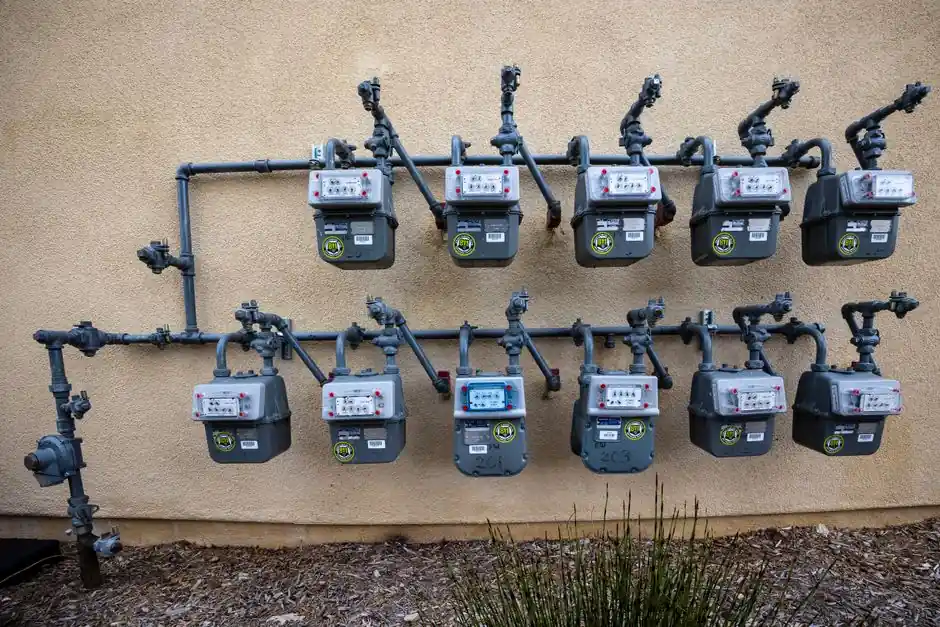
Gas line installation in New Braunfels divides into two worlds that share one code book. In new construction, we route fresh pipe through open framing, size it for the household's full appliance list plus reasonable future additions, and coordinate with builders, inspectors, and Atmos Energy so the meter set and final inspection land on schedule. In existing homes, we thread new capacity through finished structures: adding a branch for a tankless water heater, extending a line to an outdoor kitchen by the Comal, or repiping a section that has run out of capacity. Both demand the same fundamentals, correct sizing from measured BTU loads, code-recognized materials, proper supports and protection, and a pressure test that proves the work before gas flows. Sizing is pure arithmetic: every appliance has a BTU rating, every run has a developed length, and the pipe must carry the total with acceptable pressure drop to the farthest appliance. Beyond sizing, quality lives in details like fuel-gas-rated thread sealant, supports at code intervals, sleeving at masonry penetrations, and dielectric separation where dissimilar metals meet.
! Common warning signs
Undersized lines in new builds
The most common installation failure is not a leak but a line too small for the load. A builder-grade run that feeds a furnace and tank heater fine will starve when the owners add a gas range, dryer, and outdoor kitchen later. We size from the appliance schedule plus headroom, so the system works on day one and year ten.
Unpermitted additions and DIY runs
New Braunfels sees its share of weekend-warrior gas work: a grill stub run without a permit, a dryer branch tied in with mismatched fittings. Beyond the safety hazard, unpermitted gas work fails inspections, voids insurance, and torpedoes home sales when discovered. Permitted, inspected installation costs more upfront and infinitely less later.
Limestone trenching done wrong
Underground runs through Hill Country rock need proper bedding and depth, not pipe laid in a shallow rocky trench and backfilled with the same sharp stone that will abrade the coating. We trench, bed, and protect to the standard the ground demands, then call Texas 811 before any digging, as the law requires.
Scope of work
What Professional Installation Includes
From the first measurement to the final gauge reading, here is what a proper gas line installation covers in New Braunfels:
-
01
Load calculation and sizing
Every appliance is inventoried with its BTU demand, the developed length of each run is measured, and pipe is sized so the farthest appliance holds full pressure with everything running. No rules of thumb, no guessing.
-
02
Code-compliant routing and materials
Black steel, CSST, or polyethylene as each location requires, with proper support spacing, sleeving at penetrations, shutoff valves at appliances, and sediment traps where code calls for them. The installation is designed to pass inspection cleanly.
-
03
Permits and utility coordination
We handle the permit paperwork with the local authority and coordinate meter sets and inspections with Atmos Energy, so the project moves without the homeowner chasing agencies.
-
04
Pressure testing and commissioning
The complete new work is pressure-tested with zero allowable drop, every joint leak-checked, and each appliance verified for correct operation before we sign off. You get documentation of what was installed and where it runs.
Why Installation Quality Pays for Decades
A gas line is a thirty-to-fifty-year decision hiding inside a one-week project. Correct sizing means the tankless heater you add in five years just connects, instead of triggering a repipe. Proper materials and bedding mean the underground run survives Hill Country soil instead of corroding through it. And permitted, documented work means the next buyer, the next contractor, and your insurer all see a system that was done right. Cheap installation is the most expensive kind; you pay for it in starved appliances, failed inspections, and early replacement.
Request a quoteTools and methods for gas line installation
BTU load worksheets
Structured calculation of every appliance's demand against developed pipe length, the engineering basis for correct sizing rather than guesswork.
Pipe threading machines
Clean, precise threads on steel pipe for joints that seal properly the first time and stay sealed through decades of thermal cycling.
Trenching and bedding equipment
For underground runs through limestone and clay: proper depth, clean bedding that protects coatings, and careful backfill that will not damage the pipe.
Calibrated test gauges
Pressure testing that proves the installation tight before gas is introduced. No gauge reading, no sign-off, no exceptions.
Local execution
New Braunfels' building boom runs straight into its geology. Subdivisions along the I-35 corridor go up fast, and gas rough-ins happen while framing is open, which is the cheapest time to get sizing and routing right. Infill work in older neighborhoods means threading new lines through existing structures and digging in ground that alternates between limestone shelf and expansive clay. We plan routes that avoid the worst of both, protect pipe where it passes through masonry, and size for the way households actually use gas now: tankless heaters, outdoor kitchens, fire features, and workshops that did not exist when many of these homes were plumbed. Coordination matters too: on new construction we work from the builder's schedule, and on retrofits we protect finishes and keep the household functional while the new work goes in.
Gas line installation in New Braunfels: Local considerations
- • Meyer Ranch
- • Veramendi
- • Copper Ridge
- • Westmeyer
Before & after
Building or Remodeling? Let's Talk First
The cheapest time to size it right is before the walls close
If you are building in the corridor subdivisions or planning an addition anywhere in Comal County, bring us in while the plans are still flexible. Moving a line on paper costs nothing; moving it after drywall costs plenty. Call (830) 953-4059 and we will review your appliance plans, explain what the gas scope involves, and coordinate with your builder's schedule.
Our gas line installation process
Plan it
Appliance inventory, BTU math, route planning, and permit paperwork. This is where good installations are won, on paper, before any pipe is cut.
Run it
Pipe goes in with proper supports, sleeving, valves, and protection, coordinated with other trades so the gas work never holds up the project.
Prove it
Pressure test, joint-by-joint leak check, appliance commissioning, inspection sign-off, and documentation you keep with the house records.
Gas line installation pricing
New installation pricing in New Braunfels tracks the scope: total pipe length, number of appliance branches, trenching conditions, and how much of the work happens in open framing versus finished space. A single appliance branch in new construction is modest; a whole-house repipe around a remodel is a project. What never varies is the standard: sized from real loads, installed to code, tested to prove it. Call (830) 953-4059 with your plans for a straight answer on scope.
Length and branch count
More pipe and more appliance connections mean more material and labor. Each branch needs its own shutoff and proper termination, which is work that cannot be shortcut.
Trenching and ground conditions
Underground runs through limestone and clay cost more than interior runs through open framing. Proper depth and bedding are what keep the line alive for decades.
New construction vs. retrofit
Open framing is fast and cheap to pipe. Finished homes need careful routing, minimal opening of walls, and patch-friendly planning, which takes more time and skill.
Before you plan an installation
Frequently asked questions
How is the right pipe size determined for my home?
By calculation, not guesswork. We inventory every gas appliance with its BTU rating, measure the developed length of each run, and size pipe so the farthest appliance receives full pressure with everything operating. The result handles your current load plus sensible future additions.
Do I need a permit for gas line installation in New Braunfels?
Fuel gas piping work typically requires permitting and inspection through the local authority. We prepare the plans, pull the permits, and coordinate inspections so the installation is documented and compliant from day one.
Can you add a gas line for an outdoor kitchen or fire pit?
Yes, and it is one of our most common retrofit requests around the rivers. We calculate the added load, verify the existing system can carry it or upsize as needed, trench or route the new branch to code, and pressure-test before the first cookout.
How long does a typical installation take?
A single appliance branch in open construction can be a day's work; whole-house installations track with the construction schedule. Retrofit work in finished homes takes longer due to careful routing. We will give you a realistic timeline with your specific plans in hand.
Plan Your Gas Installation Right
Whether it is a new build in the corridor or a new branch in an old house, start with a conversation. Call (830) 953-4059 and we will talk through your appliance plans, the routing realities, and what the project involves.