Established streets, mature oaks, and gas lines aging alongside the homes
The West End grew up in the decades when New Braunfels was still a small German-Texan town finding its postwar footing, and its housing stock shows it. Ranch-style homes from the 1960s and 1970s sit alongside 1980s and 1990s brick houses, most of them single-story, most of them family homes with real yards. Generations of owners have added on, remodeled kitchens, finished garages, and put in outdoor living spaces. Every one of those changes touched the gas system in some way — a water heater moved to the garage, a range upgraded to a larger gas cooktop, a fireplace insert added to the living room. The result is a neighborhood of gas systems that are perfectly functional but layered, with older sections feeding newer additions, and fittings from different eras meeting behind walls and under floors.
Then there are the trees. The West End's mature live oaks and pecans are the neighborhood's defining feature — broad canopies that shade entire blocks, root systems that have been spreading for forty, fifty, sixty years. Gas yard lines in the West End were often trenched when those trees were saplings, and the roots have had decades to find them. Roots don't puncture sound pipe so much as they shift it, crowd it, and exploit any weakness at a joint or fitting. A yard line that has lived under an expanding oak canopy for decades deserves more than a quick glance: it needs locating equipment, careful exposure, and an honest assessment of whether the line should be repaired in place or rerouted clear of the root zone.
Under the trees and the lawns, Comal County clay does its slow seasonal work. The expansive clay soils common across this part of Texas swell with the spring rains and shrink through the dry late summer, and that movement doesn't stop at the foundation — it works on everything buried and everything connected to the house. Gas lines entering through the slab or foundation wall feel the stress first: the house moves a fraction, the yard line doesn't, and the connection between them takes the strain. Sticking doors and hairline drywall cracks are the visible signs homeowners notice; the gas entry point is the hidden one worth checking when the soil has been moving.
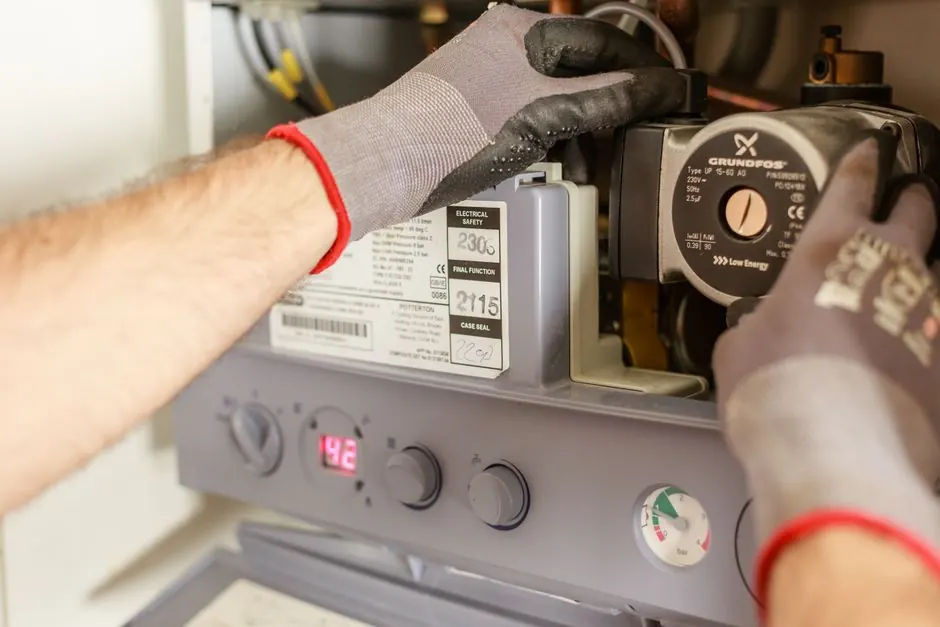
Appliance connections are the West End's other signature issue. Water heaters tucked into 1970s utility closets, furnaces in attics that have been serviced by a dozen different hands, outdoor grills and fire pits added during the backyard-living boom — each connection is a point where gas meets the house, and older ones were made to the standards and materials of their day. Flexible connectors age, shutoff valves stiffen from disuse, and sediment traps fill. When we inspect a West End home, we give these connection points the same attention as the buried line, because in an established neighborhood they are where trouble most often starts.
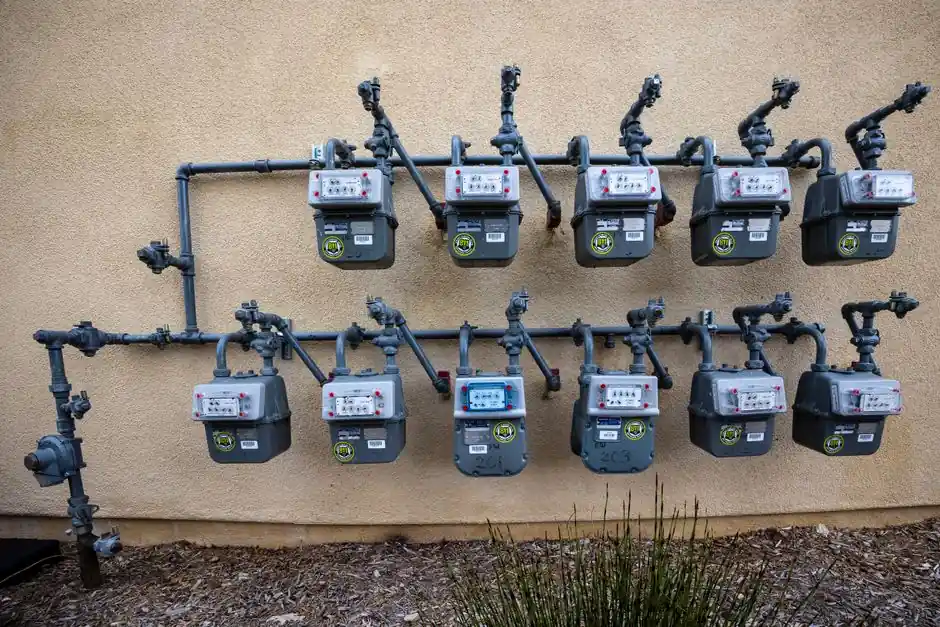
The neighborhood's remodeling wave adds one more layer. West End families are updating kitchens, adding outdoor kitchens, and converting garages — and every new gas appliance changes the math on the system feeding it. A larger range, a tankless water heater, and a new outdoor fire feature can push an older, smaller service line past what it was sized to deliver. We size the whole system, not just the new appliance: checking that the existing yard line and meter can carry the new total load, and upgrading the run when the numbers say it should be. That is how an established neighborhood modernizes without outgrowing its gas infrastructure.