Gas Line Repair New Braunfels TX
Hunter gas line repair

Gas Line Repair in Hunter, New Braunfels, TX

Hunter is a historic community in north New Braunfels where the town loosens into countryside: acreage tracts, farmhouses along FM 1101, and properties where the gas line runs hundreds of feet from the road. The work here answers to distance, to propane-to-natural-gas conversions, and to ground shared with wells and septic systems. We do gas line repair, installation, and detection across Hunter with the acreage-aware approach these properties require.

Comal County
Local service area
Safety-first
Code-aware gas work
Acreage expertise
Long-run specialists

About this area

Why gas line repair in Hunter matters

Why we serve here

Hunter is where New Braunfels loosens into the countryside, a community built around the railroad with farmhouses, acreage, and outbuildings spread wide. Long buried runs, fuel conversions, and working land define the gas work, and we plan every job for those realities.

Big lots, long runs, and gas lines with room to roam across north New Braunfels

Hunter grew up around the railroad in north New Braunfels, and it still carries that frontier-town spacing: houses set far back on multi-acre lots, barns and workshops scattered across properties, and gas lines that travel real distances to serve them all.

Distance changes the failure picture. A leak on a short city lateral announces itself quickly; a leak on a two-hundred-foot rural run can seep for months before anyone notices, showing up as a vague bill increase or a patch of dead grass far from the house. Finding it takes sectional testing, not guesswork.

Propane-to-natural-gas conversions are the area's other defining job. Plenty of Hunter homes started on propane and converted as natural gas mains reached FM 1101, sometimes in stages by different hands. The result is often a hybrid: new service line, old regulators, appliances converted halfway. We finish these conversions properly, end to end.

Wells and septic systems share the ground on many Hunter properties, and they set the terms for any buried work. Gas lines need proper setbacks from both, which constrains routing and demands careful mapping before any trench is dug. We design around what is underground, not through it.

The outbuildings complete the Hunter pattern. Barns with heaters, workshops with gas-fired equipment, guest houses with their own appliances, each branched off the main service over the years, rarely with diagrams. We map the whole system from the meter outward, because the branch you forgot is the one that fails.
How we work locally

How gas line repair is executed in Hunter

Challenge: Leaks hiding on long buried runs

On Hunter acreage, the gas line can run hundreds of feet from the road to the house, with branches to outbuildings along the way. Every joint is a potential failure point, and the line's very length makes problems hard to notice. We test in sections and maintain what distance tries to hide.

Solution: We test the system in sections to isolate the failing leg, then use detection equipment to pinpoint the leak before opening any ground. Once found, we expose only what's needed, repair or replace the compromised pipe, and verify the whole run holds pressure before backfilling.

Challenge: Piecemeal propane-to-gas conversions

Many Hunter homes converted from propane as natural gas reached FM 1101, sometimes in stages by different hands. Mismatched regulators, old-fuel appliance sizing, and half-finished conversions are common. We audit conversions completely and finish them to a single coherent standard.

Solution: We audit the whole system as one installation: service line sizing for natural gas, correct regulation, and every appliance converted, adjusted, and re-tested. The result reads as a single coherent system instead of a patchwork of eras.

Where we work

FM 1101Historic HunterNorth New BraunfelsIH-35 North CorridorCounty Line PropertiesAcreage Tracts

Where we work

Hunter

Latitude: 29.7970

Longitude: -98.1160

Extract Directions

Case files

Illustrative examples of the gas line work Hunter's long runs, conversions, and acreage properties call for.

Illustrative scenario: 1

Farmhouse — completing a propane conversion

Challenge

An older farmhouse along FM 1101 had switched to natural gas in stages: the service line was new, but the regulators were propane-era and half the appliances had never been properly converted.

Execution

We audited the installation end to end: service line sizing, regulation matched to natural gas, and every appliance converted with correct orifices and verified combustion. The mismatched components were replaced, not adapted.

Impact

The farmhouse ended up with a coherent, fully documented natural gas system: even heat, properly firing appliances, and a single standard throughout. The staged-conversion era was finally over.

Illustrative scenario: 2

Acreage — long run leak to a workshop

Challenge

On a multi-acre Hunter property, the branch line feeding a detached workshop developed a slow leak somewhere along its hundred-foot run through pasture.

Execution

We sectionalized the system to confirm the workshop leg was the problem, then traced it with detection equipment to a joint stressed by soil movement. One targeted excavation, not a trench across the pasture.

Impact

The workshop leg tested tight after repair, the yard stayed mostly undisturbed, and the owner received an updated diagram of the property's gas layout for future reference.

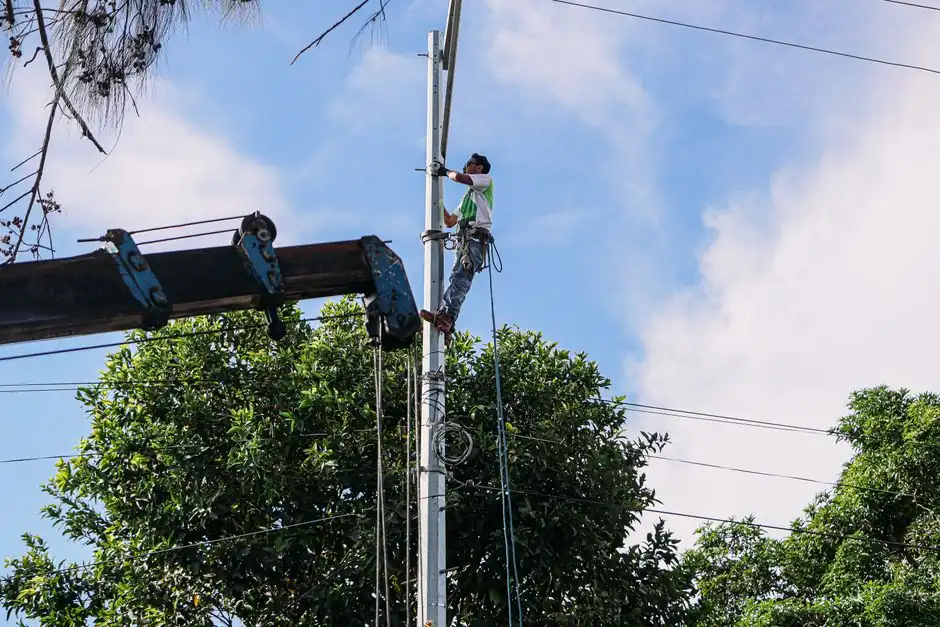
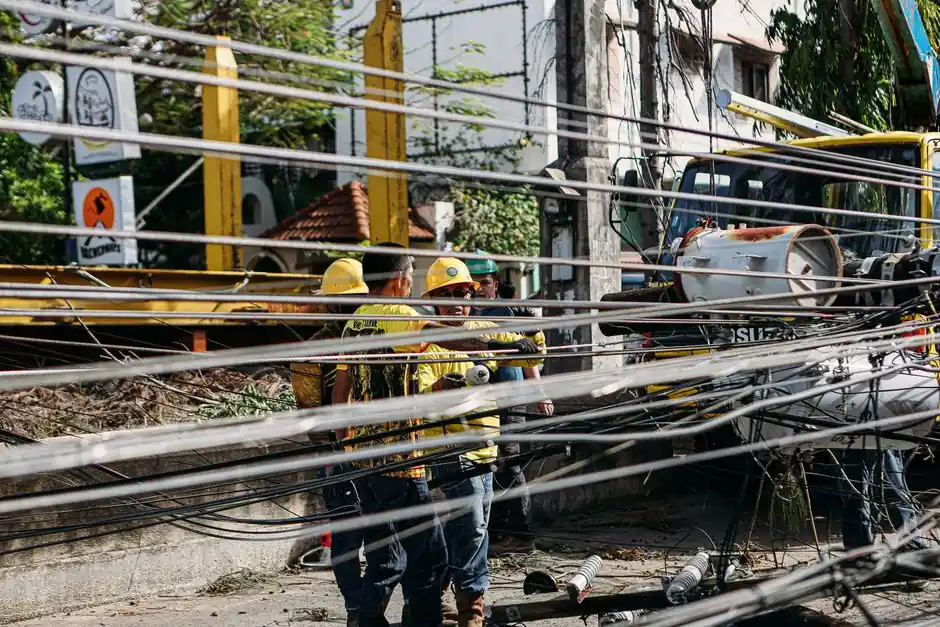
Utility workers servicing rural infrastructure serving Hunter, New Braunfels, Texas.
Our track record
Our track record

Field evidence from Hunter

Gas work shaped by distance and open ground

Our work in Hunter keeps returning to the same fundamentals: plan for the distance, respect what is already underground, finish conversions completely, and document the system so the next project starts from knowledge rather than discovery.

Code-aware
Every repair planned around local ground and current requirements

Local questions

What is involved in switching a Hunter home from propane to natural gas?

A complete conversion covers the new buried service line from the main, correctly matched regulators for natural gas pressures, and every appliance converted and re-tuned: orifices changed, controls adjusted, and combustion verified. Partial conversions done in stages often leave mismatched components, so we audit the whole installation and finish it properly.

How do you find a leak on a very long buried line?

By sectionalizing: we isolate the system into testable legs and pressure-test each one to find which leg loses pressure. Then electronic detection traces that leg to the exact point. On multi-hundred-foot runs, this methodical approach beats walking the property with a sniffer, and it keeps excavation to one targeted spot.

Do wells and septic systems complicate gas line work?

They shape the plan but they do not stop it. Gas lines need proper setbacks from wells and drain fields, and routing must avoid both. We map all underground features before designing the route, hand-dig near sensitive areas, and document the final layout so future work respects the same constraints.

What affects the cost of gas line work in Hunter?

Distance is the biggest local factor: longer runs mean more pipe, more trenching, and more joints to build and test. Conversions add appliance work. Ground conditions, from limestone to clay, affect excavation. We diagnose first and quote a defined scope so the price reflects your property's realities.

Safety & code compliance

Trust and compliance

Gas work in Hunter has to satisfy the same safety codes as anywhere else in Texas, plus the practical demands of acreage: long runs tested in sections, conversions completed to a single standard, and routing that respects wells, septic, and the land itself.

Acreage-ready installations Sized for long runs and far-end pressure
Inspections included Work verified to local requirements
Complete conversions Propane-to-gas finished properly, not halfway

Areas we cover

When To Call

Signs you need gas line repair in Hunter

On Hunter acreage, gas line trouble hides in the open: a long run crossing pasture, a conversion that was never finished, a branch to an outbuilding nobody has checked in years. These are the patterns to watch.

1. Gas odor along a fence line or across the yard

On a still morning, walk the path your gas line takes from the road. A rotten-egg smell anywhere along that route — even faint — deserves immediate professional attention.

2. Hissing at the meter, risers, or outbuilding connections

On a big property, hissing can come from the meter, a riser, or a connection at a distant outbuilding. Note where you hear it, do not try to tighten anything yourself, and shut off the gas only if you can do so safely.

3. A strip of struggling vegetation crossing the property

A line of dying grass or stressed plants tracing the buried run's path — in an otherwise healthy field or lawn — can indicate a slow underground leak starving roots of oxygen.

4. Appliances underperforming since a fuel conversion

Weak flames, sluggish water heaters, or a furnace that never quite satisfies the thermostat after switching from propane can mean the conversion was never properly completed.

5. Exposed or damaged pipe near barns and outbuildings

Above-ground runs around barns take weather, equipment bumps, and animal attention. If you spot corroded, bent, or exposed pipe at an outbuilding, keep clear and arrange an inspection promptly.

6. Pressure problems at the far end of a long run

If appliances near the house work fine but equipment at a distant barn or guest house struggles, the long run may be undersized or partially restricted — a sizing problem worth diagnosing properly.

Local Problem Patterns

Common gas line repair problems in Hunter

Hunter's combination of long buried runs, fuel conversions, and working acreage produces a recognizable set of gas issues. Here is what the land teaches.

Mid-run leaks on long laterals

Why it happens here

A two-hundred-foot run has far more joints and ground exposure than a city stub. Age, soil movement, and the occasional equipment strike all take their toll across that distance, usually silently.

Our approach

We sectionalize the system to isolate the failing leg, pinpoint the leak with detection equipment, and repair with minimal excavation. Distance makes the diagnosis methodical; the method keeps it affordable.

Incomplete propane conversions

Why it happens here

Conversions done in stages by different hands leave mismatched regulators, old-fuel appliance sizing, and components that were adapted rather than replaced. The system works until it does not, usually at the worst time.

Our approach

We audit the installation as a whole: sizing, regulation, and every appliance. Then we finish the conversion to a single coherent natural gas standard, documented end to end.

Undocumented branch lines to outbuildings

Why it happens here

Barns, workshops, and guest houses get branched off over the years with no diagrams kept. When a branch fails, nobody remembers where it runs, which turns a simple repair into an excavation mystery.

Our approach

We locate and map every branch from the meter outward, test each leg, and hand you a diagram of the complete system. The next problem starts from knowledge, not exploration.

Weathered above-ground piping

Why it happens here

Risers and exposed runs around barns and meters take full sun, storms, and the occasional equipment bump. Corrosion and support failure show up here first, in the open, if anyone looks.

Our approach

We inspect every exposed section for corrosion and support failure, renew what has deteriorated, and protect what remains. The visible parts get the same rigor as the buried ones.

Year-Round Coverage

How seasons affect gas line repair in Hunter

Central Texas weather swings from spring downpours to summer heat to the occasional hard freeze, and Hunter's long exposed runs feel every degree of it. Seasonal checks keep weather from becoming failure.

Spring

Spring storms saturate Hunter's open ground and shift soil around long buried runs. Soft ground also makes it the easiest season for trenching — ideal timing for conversions and reroutes.

Tip

After heavy spring rains, walk your long runs for new erosion or settling over the buried line's path. Water moves soil, and moved soil stresses the joints that depend on stable bedding.

Summer

Summer heat hardens the ground and loads every gas appliance — pool heaters, outdoor kitchens, and shop equipment run long hours on Hunter properties. It is also when drought-stressed vegetation can mask a slow leak.

Tip

Before peak summer use, have outbuilding branches and outdoor gas features checked so the season runs without interruption. Summer is when the whole property's gas demand peaks.

Fall

Fall is Hunter's project season: milder weather, workable ground, and the right moment to finish a conversion or renew a tired run before winter heating demand arrives.

Tip

Schedule conversion work and full-system inspections in the fall, before the first cold snap tests every weak regulator and marginal connection. Fall planning beats winter emergency.

Winter

Hard freezes are rare in north Comal County but real — and they find every weak point. Cold snaps drive furnace demand up while exposed risers and old valves take the worst of it.

Tip

Before the first freeze, make sure exposed risers and older valves at outbuildings are sound. Cold finds the weak points in long runs, usually at the farthest, least-visited end.

Hiring Smart

Questions to ask before hiring gas line repair in Hunter

Hunter's long runs, conversions, and working acreage make the choice of contractor matter more than usual. Ask these questions and listen for acreage experience in the answers.

  1. 1

    How do you locate and test a leak on a multi-hundred-foot run?

    Why it matters

    Acreage leaks hide, and you want sectional pressure testing plus real detection equipment, not someone walking the pasture with a handheld sniffer hoping for luck. Ask how they isolate legs and pinpoint before digging.

  2. 2

    What does a complete propane-to-natural-gas conversion include?

    Why it matters

    The answer should cover the service line, correctly matched regulators, and every appliance converted and re-tuned with verified combustion. If the bid only mentions the service line, the conversion is not complete.

  3. 3

    How do you handle wells and septic when routing a line?

    Why it matters

    Most Hunter properties have one or both. A contractor who maps setbacks and underground conflicts before designing the route will protect your water and your drain field. One who does not mention them has not thought about your property.

  4. 4

    How will you handle permits and inspections for this work?

    Why it matters

    Gas work typically requires permits and inspection sign-off. A straight answer here tells you the job will be documented and code-compliant, which matters for insurance, resale, and your own confidence in the work.

  5. 5

    If I smell gas on a large property, what should I do first?

    Why it matters

    On a big property the shutoff can be far from the house, and every minute counts. A good contractor will have already shown you where your shutoffs are and labeled them. Know the locations before you need them, and call 911 from a safe distance first.

Knowing the Area

Landmarks and points of interest around Hunter

Our service routes through Hunter follow the community's familiar geography: the old rail corridor, FM 1101, and the river plain to the south. We know the area's roads, soils, and property patterns.

Landmarks

  • Historic Hunter rail corridor

    The railroad line that built Hunter as a community. Older farmhouses and commercial buildings still cluster near it, carrying some of the area's oldest gas infrastructure.

  • FM 1101 corridor

    The farm-to-market road anchoring the area, mixing acreage tracts, farmhouses, and newer construction. Most of our Hunter work sits along or just off this corridor.

  • Guadalupe River corridor

    The river runs just south of Hunter toward New Braunfels, and low-lying properties share its soils and moisture patterns. We account for wet-ground conditions on riverside acreage.

Commercial Districts

  • FM 1101 corridor businesses

    Agricultural suppliers, small shops, and trade services along the road, many in older buildings with gas systems that predate current codes. We bring them up to standard.

  • IH-35 frontage near Hunter

    The interstate frontage serving the community's travelers and new development, where commercial gas needs are growing with the corridor.

Transport & Access

  • IH-35

    The interstate bordering Hunter on the east, our main artery for reaching north New Braunfels properties quickly, including for urgent calls.

  • FM 1101 & county connectors

    The farm-to-market road and the county roads linking it to the interstate. We plan equipment and access around these routes for efficient service.

Service Area

Gas line repair coverage across Hunter, New Braunfels & Comal County

Routine and same-week appointments for Hunter homeowners, farmhouses, and acreage properties across the community's wide geography.

78130
!

Reliable gas line repair in Hunter

From long buried runs to finished propane conversions, Hunter's gas systems deserve work that respects the land and the distance. Call (830) 953-4059 for acreage-aware gas service.

Request service
Call Now: (830) 953-4059